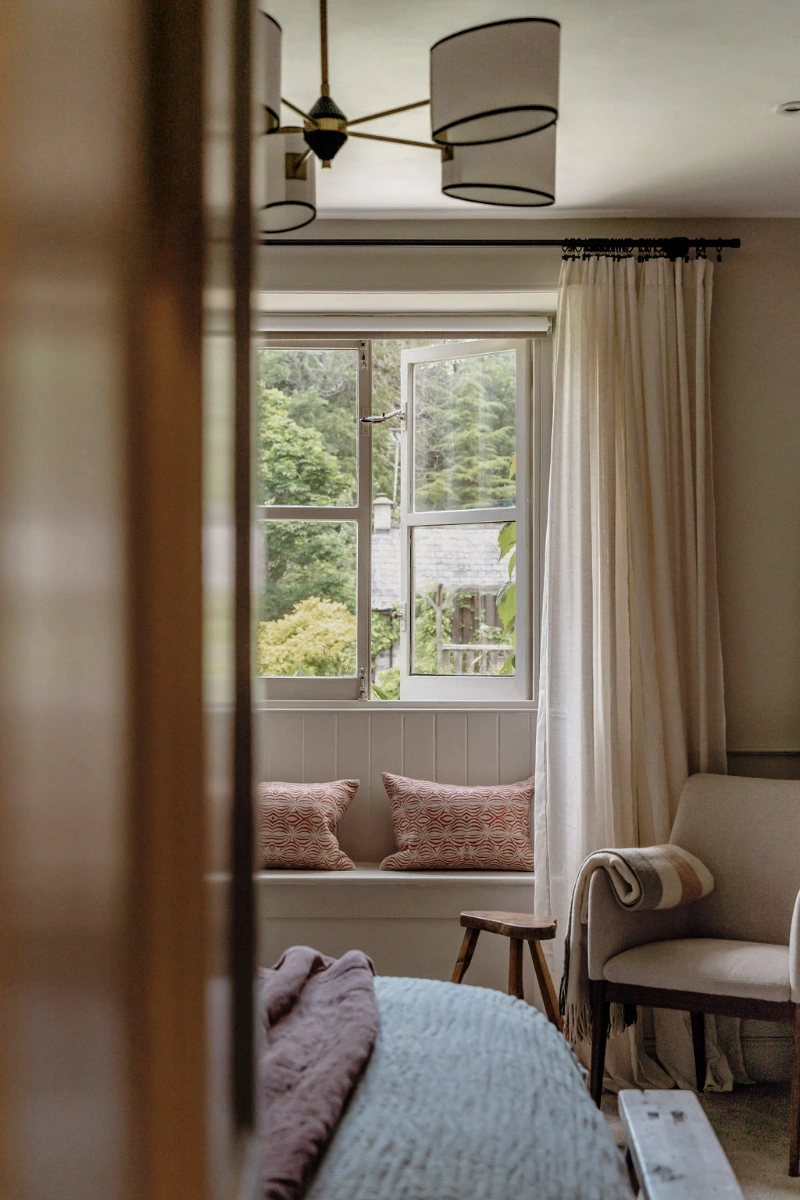
The finished image is only one part of an interior’s story.
Before a room feels calm, balanced, or intuitive, it has already been shaped through a series of decisions. Some are visible. Others are felt through use.
The sight line from one room to another.
The way light catches a material.
The way joinery sits within the architecture.
The way a drawer opens.
The way a client moves through the space each day.
These details might feel small, but they carry significant weight.
Aesthetics matter, but they cannot work in isolation. A successful interior must support daily life, respond to the architecture around it, and feel naturally resolved rather than overworked.
This is where interior architecture becomes most valuable. Not as a visual layer added at the end, but as a way of shaping how a space is understood, used, and experienced over time.
monthly musings

This month has centred on progression across several live projects, each at a different stage of the interior architecture process.
In Oxfordshire, a planning application has been submitted following revisions to the internal layouts and a small extension designed to better support family life. In Essex, a furnishings and decorative pack has been completed, bringing together the final layers of the scheme.
In Dorset, early concept work has set the spatial direction for a smaller property, exploring mood, layout and material tone before detailed design begins. At Canford Cliffs, bathroom works continue on site, with three en-suites progressing alongside a round room bedroom scheme shaped by bespoke curved joinery and the architecture of the space.
Across each project, the same principle remains. Thoughtful interiors are shaped through clear planning, careful detailing and decisions made well before completion.
studio notes
Craft & Material Notes
Materiality with longevity in mind
Material selection is often seen as a visual exercise.
In reality, it carries far more responsibility.
Materials influence how a space feels, performs, ages, and responds to daily use. Texture, tone, light, durability, maintenance, and provenance all play a role in how an interior is experienced over time.
A natural stone surface, a timber grain, a handmade tile, a woven fabric, or a carefully chosen metal finish each carries its own weight within a space. Together, these elements create atmosphere.
The most enduring interiors are not built through excess. They come from restraint, balance, and clarity in every selection.
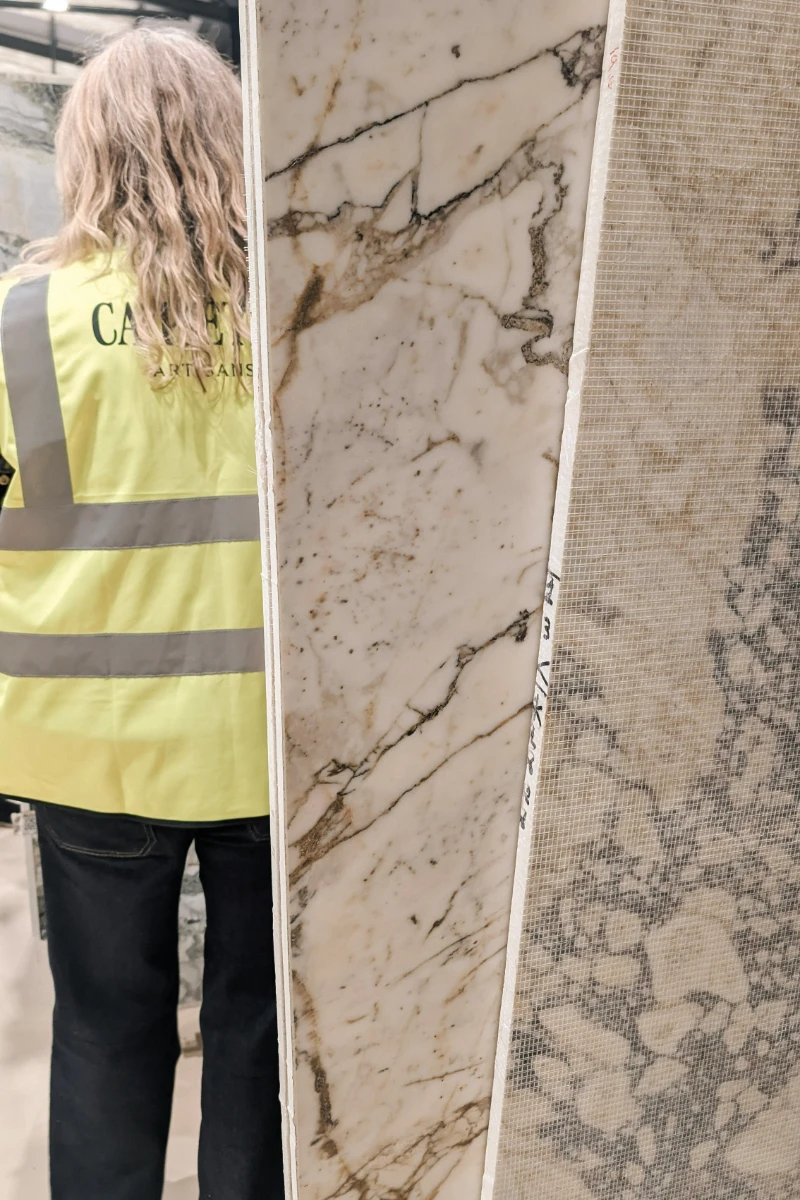
A recent visit to the Ca’ Pietra showroom offered time to reflect again on this part of the process. Seeing materials at scale, understanding finish, texture, and variation, and considering how products will sit within the wider architecture of a space remains an essential part of specification.
Good material choices should feel beautiful, but they should also feel appropriate.
They should support the life of the interior, not only its first impression.
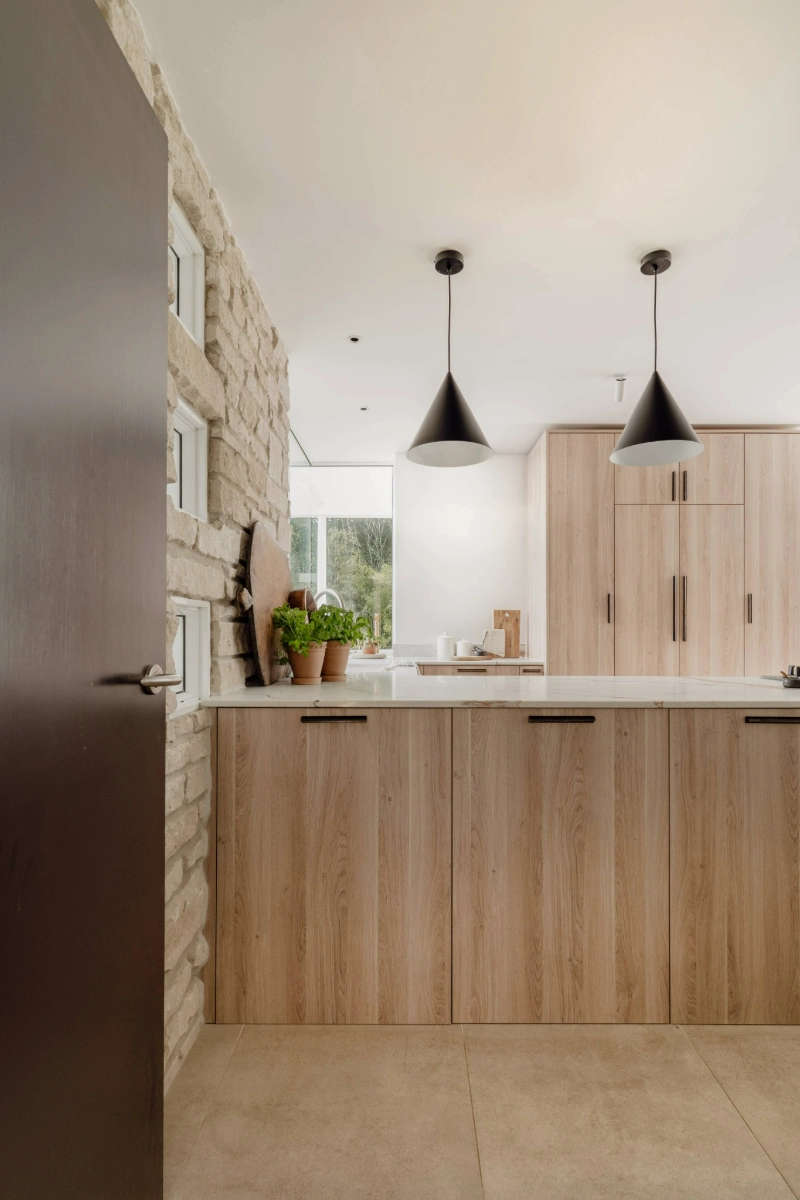
intentions
Our intention this month is to protect clarity.
To allow projects to develop with care, without rushing the decisions that need time. To continue refining layouts, details and material palettes before they reach site. To hold space for the quieter work that makes interiors feel effortless once complete.
There is value in restraint. In knowing when to add, when to edit, and when to let the architecture lead.
As the studio continues to grow, our focus remains on projects where thoughtfulness, longevity and personal connection matter. Spaces that are shaped from the inside out. Interiors that feel calm because they have been carefully resolved.
The aim is not simply to create beautiful rooms.
It is to create interiors that support the people who live within them, respond to their setting, and continue to feel considered long after completion.